


If you are trying to lose weight on antidepressants and nothing seems to move the number on the scale, you are not imagining it and you are not failing at willpower. Antidepressants change appetite signaling in the brain, and for women, those changes overlap with a second hormonal system that most articles on this topic never mention. Understanding both systems, not just the medication, is what makes it possible to lose weight on antidepressants without abandoning treatment that is keeping you stable.
This guide walks through why weight changes happen on these medications, which drugs carry the highest risk, the female hormonal layer that changes the picture entirely, and a practical plan for eating, movement, sleep, and medical conversations that actually respects both your mental health and your metabolism.
Why It Feels Harder to Lose Weight on Antidepressants
Most people trying to lose weight on antidepressants describe the same frustration: they eat the way they always have, they have not changed their activity level, and the scale still climbs. The reason is not laziness. Selective serotonin reuptake inhibitors, known as SSRIs, and several other antidepressant classes work by increasing serotonin availability in the brain. In the short term, that often reduces appetite and can even cause mild weight loss in the first few months.
The problem shows up later. With continued use, typically past the six to twelve month mark, serotonin receptors in the brain begin to downregulate, meaning they become less sensitive to the extra serotonin circulating. Research summarized by Harvard Health and the American Psychiatric literature points to this downregulation as the reason cravings for bread, pasta, and sweets increase over time, even when mood has stabilized. This is a pharmacological shift, not a discipline problem, and it is the first thing to understand before you try to lose weight on antidepressants using a plan built for someone who is not on medication.
Other factors compound the effect. Depression itself often comes with reduced activity, disrupted sleep, and emotional eating, so when mood improves on medication, appetite frequently returns to a more normal, and sometimes higher, baseline. Separating what the medication is doing from what the underlying condition was already doing is part of building a plan that works.
The Estrogen and Serotonin Connection Most Guides Skip

Almost every article about antidepressants and weight gain treats the brain chemistry as identical in men and women. It is not. Estrogen directly modulates serotonin receptor density and serotonin transporter activity, meaning the same dose of the same medication can behave differently depending on where a woman is in her menstrual cycle or her broader reproductive timeline. A 2024 NIH review on estradiol effects on serotonin, glutamate, and dopamine systems found that estrogen increases serotonin receptor sensitivity and reduces serotonin transporter expression, effects that shift across the follicular and luteal phases of the cycle.
In practical terms, this means appetite and cravings driven by an antidepressant are rarely flat across the month. NIH-published research on emotional eating across the menstrual cycle found that emotional eating intensifies during the luteal phase, when estrogen drops and progesterone rises. Layer an SSRI carbohydrate craving effect on top of that hormonal window and the result is a predictable spike in overeating during the same one to two weeks every cycle. Competing guides written without this lens tell women to simply eat less and move more every day, which ignores a real biological pattern and sets women up to blame themselves for something driven by hormones, not willpower.
Which Antidepressants Are Most Likely to Affect Your Weight
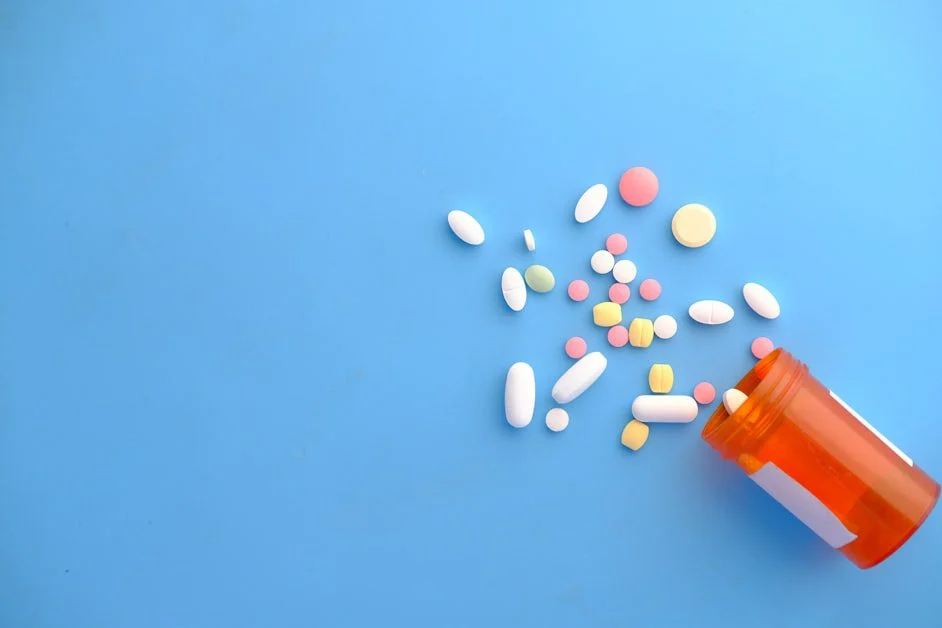
Not all antidepressants carry the same risk, and knowing where a specific medication falls can shape the conversation with a prescriber. According to Mayo Clinic, the antidepressants most associated with weight gain include paroxetine, mirtazapine, and the older tricyclic antidepressants such as amitriptyline. Citalopram and sertraline carry a moderate risk, particularly with use longer than six months.
On the other end, bupropion, sold as Wellbutrin, is the antidepressant least likely to cause weight gain and is sometimes associated with modest weight loss because it works primarily on dopamine and norepinephrine rather than serotonin. Fluoxetine also tends to be more weight neutral than paroxetine or mirtazapine, especially in the first year of use. None of this means switching medications is the right move for everyone, since the antidepressant that controls your depression or anxiety most effectively is not always the one with the lowest weight risk, and mood stability has to come first.
But if you are working to lose weight on antidepressants and have not yet discussed your specific medication weight profile with your prescriber, that conversation is worth having.
An Eating Strategy Built Around Your Cravings, Not Against Them
Standard calorie-cutting advice tends to fail for women who want to lose weight on antidepressants because it does not account for the specific carbohydrate cravings these medications create. A more effective approach works with that biology instead of fighting it. Anchoring each meal around 25 to 35 grams of protein, from eggs, Greek yogurt, poultry, fish, or legumes, blunts the blood sugar swings that intensify cravings later in the day. This is the same protein-first framework that works well for building a high protein breakfast for weight loss, and it becomes even more important when medication is amplifying appetite signals.
Severe calorie restriction tends to backfire here. Very low calorie diets increase cortisol and intensify the exact cravings antidepressants already trigger, which is part of why so many women trying to lose weight on antidepressants find that cutting calories aggressively makes cravings worse rather than better. If you have already tried cutting calories with no results, the explanation may be the same mismatch covered in our guide on why a calorie deficit alone sometimes fails to produce weight loss. A more sustainable target is a moderate 300 to 500 calorie deficit built primarily from protein and fiber, which supports satiety without triggering the stress response that undermines both mood and weight.
Movement That Supports Your Mood and Your Metabolism

Exercise is one of the few interventions proven to help you lose weight on antidepressants while also supporting mood, largely because largely because physical activity increases serotonin and dopamine sensitivity through a different pathway than medication does. Strength training two to three times a week is particularly useful because it builds muscle mass, which raises resting metabolic rate and partially offsets the metabolic slowing that can accompany long-term antidepressant use.
Cardio still matters, but pairing it with resistance work outperforms cardio alone for women trying to lose weight on antidepressants, since cardio alone does not counter the muscle loss that often comes with age, reduced activity during depressive episodes, or hormonal shifts. If your weight loss has stalled despite consistent effort, the plateau mechanics explained in our guide to breaking a weight loss plateau after 40 apply directly here, since medication-driven appetite changes are simply one more variable your body has to adapt around.
Sleep, Stress, and the Hidden Multiplier
Poor sleep and antidepressants interact in ways that directly affect weight. Just one night of five hours of sleep or less lowers leptin, the hormone that signals fullness, and raises ghrelin, the hormone that drives hunger. Depression itself frequently disrupts sleep, and some antidepressants, particularly those taken in the evening, can further affect sleep architecture. The result is a hunger-hormone environment stacked against anyone trying to lose weight on antidepressants while running on insufficient rest.
Chronic stress compounds the problem through elevated cortisol, which increases central fat storage and drives cravings for exactly the high-carbohydrate foods that antidepressants already make more appealing. Prioritizing a consistent sleep window, even a modest improvement from five or six hours to seven, measurably improves appetite regulation within a few weeks. It is also worth knowing that some antidepressants carry a rare risk of hyponatremia, or low sodium, particularly early in treatment, so any new dizziness, confusion, or severe fatigue should be reported to a healthcare professional rather than managed through diet alone.
Perimenopause and Antidepressants: A Double Hormonal Hit
For women in their late 30s and 40s trying to lose weight on antidepressants, the hormonal shifts of perimenopause often collide with medication effects, and the combination can feel impossible to outrun. Declining estrogen during perimenopause already reduces insulin sensitivity and shifts fat storage toward the midsection, a mechanism we cover in detail in our article on why weight loss stalls during perimenopause. Add an antidepressant serotonin-driven craving effect on top of that insulin resistance, and cravings, fatigue, and stubborn weight gain can all intensify at once.
If insulin resistance is already part of your picture, whether from perimenopause, PCOS, or another cause, our guide on how to lose weight with insulin resistance covers the blood sugar strategies that pair well with the protein-first approach outlined above. Recognizing that two separate hormonal systems, reproductive and psychiatric, are both working against you at the same time is not an excuse. It is the missing piece that makes a realistic plan possible instead of a generic one that was never built for your body.
When and How to Talk to Your Doctor
Never stop or taper an antidepressant on your own in an attempt to lose weight. Stopping suddenly can bring withdrawal symptoms and a return of the depression or anxiety, sometimes worse than before; talk to your doctor before changing anything. A 2025 NIH review on the impact of antidepressants on weight gain notes that switching to a more weight-neutral medication, adjusting the dose, or adding an evidence-based adjunctive treatment are all legitimate options a prescriber can discuss, but they need to be initiated through a medical conversation, not a unilateral decision.
Every woman trying to lose weight on antidepressants deserves a prescriber who takes both goals seriously. Bring specifics to that appointment. Track your weight weekly, note when the change started relative to starting or adjusting your medication, and mention where you are in your menstrual cycle if patterns seem to track with it. That level of detail helps a prescriber distinguish medication-driven weight change from other causes and gives you both a clearer path toward a plan that protects your mental health while you work to lose weight on antidepressants.
Day-to-day scale swings are normal on any medication, and our guide to why weight jumps after a cheat day explains how much of a sudden jump is water rather than fat.
Weight gained on a medication can still sit inside the healthy range for your height; how much you should weigh shows that range, and the body fat and waist measures that say more about health than the gain itself.
Frequently Asked Questions
Does Wellbutrin help you lose weight on antidepressants when other options do not?
Bupropion, sold as Wellbutrin, is the antidepressant most consistently associated with weight neutrality or modest weight loss because it primarily affects dopamine and norepinephrine rather than serotonin. It is not right for everyone, particularly those with a history of seizures or certain eating disorders, so it should only be considered through a conversation with your prescriber.
How long does antidepressant-related weight gain typically last?
Weight changes often begin within the first few months but tend to become more noticeable after six to twelve months of continuous use, as serotonin receptors downregulate. The weight gain is not guaranteed to be permanent, and many women who adjust their eating strategy, sleep, and activity level are able to stabilize or reverse it while staying on their medication.
Will I lose the weight automatically if I stop taking my antidepressant?
Not necessarily, and stopping should never be done without medical guidance. Some weight gained on medication reflects lifestyle factors from the underlying depression rather than the drug itself, so it does not always reverse on its own after stopping, and a sudden stop carries real risks to mental health.
Can exercise really offset weight gain from antidepressants?
Yes, particularly strength training combined with moderate cardio. Exercise improves insulin sensitivity, builds metabolically active muscle, and increases serotonin and dopamine sensitivity through pathways separate from medication, which makes it one of the most effective non-drug tools available to women trying to lose weight on antidepressants.
Is it safe to follow a calorie deficit while on antidepressants?
A moderate deficit is generally safe, but very low calorie diets can raise cortisol and worsen the cravings antidepressants already cause, while also affecting mood stability. A protein-forward, moderate deficit approach, discussed with your prescriber if you have a history of disordered eating, tends to work better than aggressive restriction.
Conclusion
Trying to lose weight on antidepressants without accounting for what the medication is actually doing to your appetite, and how your hormonal cycle interacts with it, is set up to fail before it starts. Once you understand the serotonin receptor changes behind the cravings, the specific weight profile of your medication, and the added layer estrogen and progesterone bring to the picture, a realistic plan becomes possible. Protein-forward eating, strength training, consistent sleep, and an honest conversation with your prescriber will not undo every pound overnight, but they address the actual mechanisms at work instead of asking you to out-discipline your own brain chemistry. You can protect your mental health and still make progress on your weight.
The two goals are not in conflict once the plan accounts for both.
Related Articles
- How to Lose Weight While on Birth Control: A Hormone Guide
- How to Lose Weight After 40 for Women Without Starving
- How to Lose Weight with Insulin Resistance: What Actually Works
This article is for informational purposes only and is not a substitute for professional medical advice, diagnosis, or treatment. Never stop or change an antidepressant medication without first consulting your healthcare professional. Always consult a qualified healthcare professional before making significant changes to your diet, exercise routine, or medication regimen.
Sources
- PubMed Central, NIH. The impact of estradiol on serotonin, glutamate, and dopamine systems.
- PubMed Central, NIH. The Interactive Effects of Estrogen and Progesterone on Changes in Emotional Eating Across the Menstrual Cycle.
- Mayo Clinic. Mayo Clinic.
- PubMed Central, NIH. Impact of Antidepressants on Weight Gain: Underlying Mechanisms and Mitigation Strategies.


