 Lifestyle
 Food & Nutrition
 Fitness
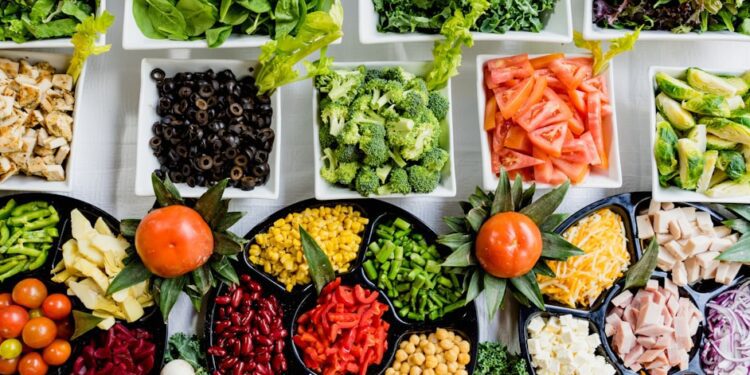
Iron and hair health are closely linked, so if thinning is a concern, our roundup of the best foods for hair loss in women builds directly on the foods below.
Iron rich foods for heavy periods only work if your body actually absorbs the iron they contain, and that single detail is where most food lists fall apart. You can eat a bowl of spinach every day for a month, watch your fatigue get worse, and conclude that diet does not work for you. The food was never the problem. The absorption was.
If your periods soak through a pad or tampon nearly every hour, or run longer than seven days, you are losing iron faster than a standard diet replaces it. The CDC notes that heavy menstrual bleeding affects more than 10 million American women each year, roughly one in five, and that untreated heavy or prolonged bleeding can cause anemia. That is a lot of women being handed the same generic list of leafy greens.
This guide takes a different approach. Instead of ranking iron rich foods for heavy periods by how much iron they contain on paper, it ranks them by how much iron you keep. You will learn which pairings double your absorption, which everyday habits quietly cancel it out, and why the most recommended iron food on the internet is one of the weakest choices you can make during a heavy cycle.
Why Heavy Periods Drain Iron Faster Than You Replace It
The arithmetic here is unforgiving, and almost nobody spells it out. According to the CDC, a typical period lasts about four to five days and loses only two to three tablespoons of blood. Women with heavy menstrual bleeding typically bleed more than seven days and lose roughly twice that volume.
Now compare that to intake. The National Institutes of Health Office of Dietary Supplements sets the recommended dietary allowance for women aged 19 to 50 at 18 mg of iron per day. Note the word daily. This is one of the most commonly mangled facts in period nutrition content, where you will repeatedly read that you should “aim for 18 mg during your period.” That figure is your everyday baseline, already calculated to cover average menstrual losses. If your losses are well above average, the baseline was never built for you.
Here is the part that reframes everything: you do not absorb 18 mg from an 18 mg diet. Healthy adults absorb only a fraction of the iron they consume, and for plant sources that fraction is small. A review in the National Library of Medicine’s PMC archive puts the bioavailability of iron from plant sources at approximately 5 percent, and notes that the Institute of Medicine states iron requirements for vegetarians are 1.8 times higher as a result.
So the real question is not how many milligrams are on your plate. It is how many milligrams cross your intestinal wall. That is the lens for judging iron rich foods for heavy periods, and it is the lens for every food choice below.
Iron Rich Foods for Heavy Periods: The Animal Sources That Absorb Best
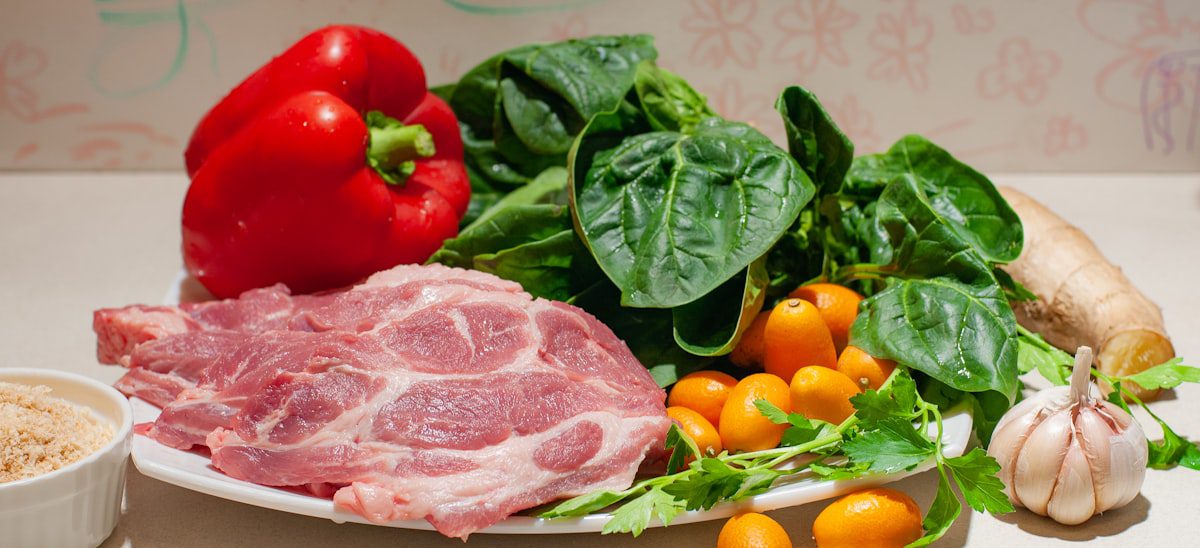
Dietary iron comes in two forms, and they behave nothing alike. Heme iron, found only in animal flesh, is absorbed through a dedicated transport pathway that largely ignores whatever else is on your plate. Non-heme iron, found in plants and fortified foods, has to survive a gauntlet of binding compounds before it can be taken up.
That makes heme sources the most reliable iron rich foods for heavy periods, because their absorption is stable and predictable. The strongest options:
- Clams and oysters. Among the densest natural iron sources available, and the iron is heme. Canned clams work as well as fresh.
- Beef liver. Unmatched iron per serving. A single serving every week or two does real work. Skip it if you are pregnant, because of the vitamin A load.
- Lean red meat. Beef and lamb are the practical everyday backbone. Modest iron per serving, but absorbed efficiently.
- Sardines. Canned, cheap, shelf stable, and they bring omega 3 fats alongside the iron.
- Dark poultry meat. Chicken and turkey thighs carry noticeably more iron than breast meat.
There is a bonus effect worth knowing. Eating meat alongside plant foods raises absorption of the plant iron too, an interaction sometimes called the meat factor. A modest portion of beef in a lentil stew improves the iron you get from the lentils. This is why mixed meals outperform isolated superfoods, and it is a theme that runs through our guide to the best foods to eat during your menstrual phase.
Plant Based Iron Rich Foods for Heavy Periods and Their Catch
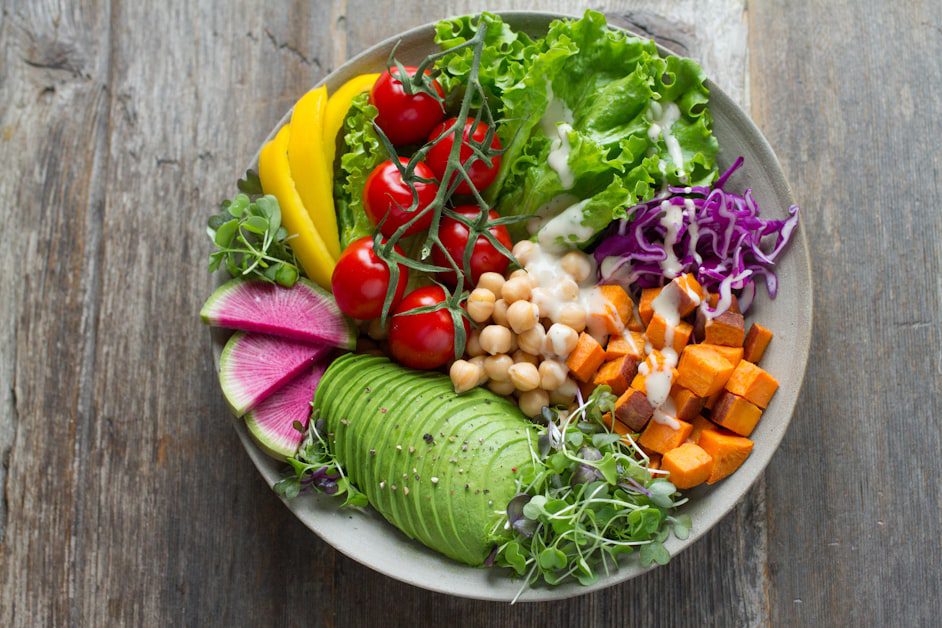
If you do not eat meat, you are not out of options, but you do need to be more deliberate. The same PMC review reports that the prevalence of iron depletion among vegetarians ranges from 9 to 29 percent, which is a wide margin and reflects how much technique matters.
The strongest plant based iron rich foods for heavy periods are:
- Lentils and white beans. The highest practical non-heme iron per cup, and the fiber supports steady blood sugar through your cycle.
- Firm tofu. Reliable iron, and calcium set tofu still delivers, though see the calcium timing note below.
- Pumpkin seeds. Genuinely iron dense per ounce and easy to add to almost anything.
- Fortified breakfast cereals. Often overlooked, but fortified iron is typically added in a form that absorbs reasonably well.
- Dark chocolate at 70 percent or higher. Real iron content, though cocoa polyphenols blunt some of it, so treat it as a bonus rather than a strategy.
The catch with every item on this list is that non-heme iron is negotiable. Its absorption swings dramatically depending on what you eat with it. That is a weakness if you ignore it, and a lever if you use it. Pairing matters more here than portion size, which is also true of the protein timing we cover in our roundup of quick high protein snacks under 300 calories.
The Spinach Problem Almost Every Food List Gets Wrong
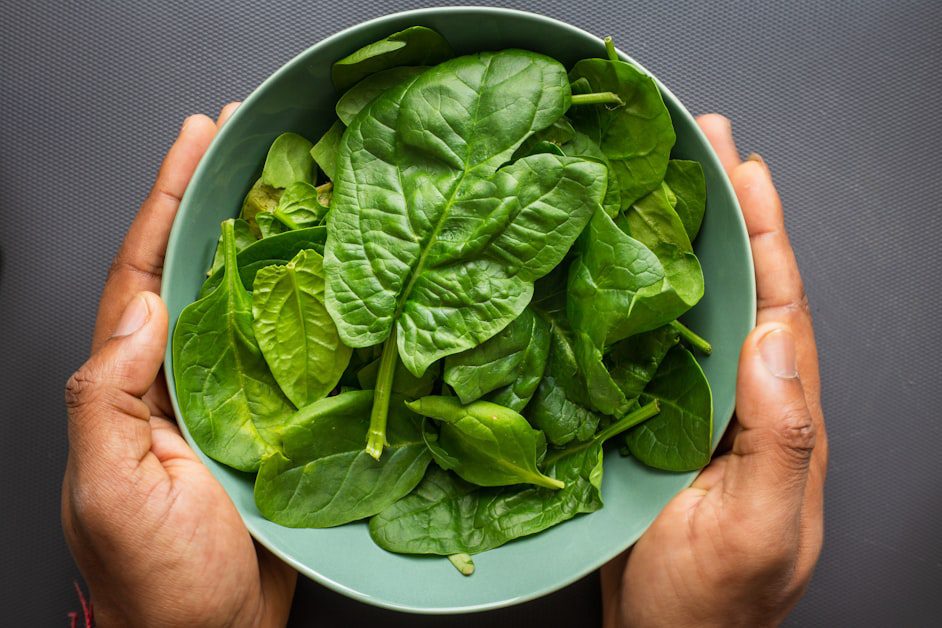
Spinach appears near the top of nearly every article about iron rich foods for heavy periods. It should not.
Spinach does contain iron by weight. The problem is that it also contains high concentrations of oxalates and polyphenols, compounds that bind iron in the gut and carry it straight out of the body. The NIH Office of Dietary Supplements states this plainly in its iron fact sheet for health professionals: some plant based foods that are good sources of iron, such as spinach, have low iron bioavailability because they contain iron absorption inhibitors, such as polyphenols.
Read that again, because it contradicts the top ten results for this search. The iron is in the spinach. It largely does not make it into you.
This is not a reason to stop eating spinach. It is an excellent food for folate, magnesium, vitamin K and antioxidants. It is simply a reason to stop counting on it as your iron strategy during a heavy cycle. If leafy greens are your main iron plan and your energy has not improved, you have found your answer.
Better green choices for absorbable iron are the low oxalate ones: broccoli, bok choy, cabbage and Brussels sprouts. They carry less iron on paper than spinach but deliver more of it, and they come with vitamin C built in, which further improves uptake.
The same overclaiming shows up with hibiscus tea, which circulates widely as a top iron drink based on iron measured in the dried flower rather than the brewed cup. Brewed teas are a source of polyphenols, the exact compounds that inhibit non-heme absorption. Iron rich foods for heavy periods should be judged on what reaches your bloodstream, not on a laboratory figure for dried plant matter.
What Blocks Iron Absorption at the Same Meal
This is the section missing from nearly every competing article, and it is the one most likely to change your results. Even the best iron rich foods for heavy periods can be neutralised by what sits next to them on the table. Four categories of inhibitor matter:
Polyphenols and tannins. Coffee, black tea, green tea and red wine substantially reduce non-heme iron absorption when consumed with a meal. A cup of tea with your lentil soup can undo much of the meal’s iron.
Calcium. Calcium is the only known inhibitor that interferes with both heme and non-heme iron. That makes the common advice to drink milk or eat yogurt alongside an iron meal counterproductive. It also means a calcium supplement taken at dinner is competing directly with your dinner.
Phytates. Found in whole grains, legumes, nuts and seeds, which is inconvenient given that those are the same foods recommended for plant based iron. Soaking, sprouting, fermenting and thorough cooking all reduce phytate content meaningfully.
Oxalates. Concentrated in spinach, chard, beet greens and rhubarb, as covered above.
The practical fix is timing, not elimination. You do not need to give up coffee or dairy. You need to move them away from your iron meals by about an hour or two in either direction. Gut health influences how efficiently any of this works, which is why absorption tends to improve alongside the strategies in our guide to foods that heal the gut lining naturally.
How to Pair Iron Rich Foods for Heavy Periods With Vitamin C
Vitamin C is the single most effective lever you have. It converts non-heme iron into a form your intestine absorbs far more readily, and it can partially override the inhibitors above when eaten in the same meal. If you change one habit around iron rich foods for heavy periods, make it this one.
This is not a supplement recommendation. Food sources work well and are easy to build in:
- Lemon juice squeezed over lentil soup or a bean stew
- Red or yellow bell peppers in a tofu stir fry
- Strawberries or kiwi with fortified cereal
- Tomato based sauce with beans or dark meat
- Broccoli served beside any iron source
- Orange segments after a plant based lunch
The rule is simple. Every plant based iron meal gets a vitamin C partner, no exceptions. Heme sources benefit less because their absorption is already efficient, but the pairing does no harm.
Cooking in cast iron cookware adds a small amount of usable iron to food as well, and the effect is strongest with acidic foods like tomato sauce simmered for a while. It is a genuine and free contribution, and no competing article on this topic mentions it.
A Simple Eating Pattern for Your Heaviest Bleeding Days
Here is how these principles assemble into an actual day of iron rich foods for heavy periods. This is a template, not a prescription, and it is designed for the days you bleed most.
Breakfast. Fortified oats with pumpkin seeds and a handful of strawberries. Hold coffee until roughly an hour after you finish. That single delay preserves a meaningful share of the meal’s iron, and it pairs naturally with the approach in our anti-inflammatory breakfast ideas for women.
Lunch. Lentil and tomato soup with a squeeze of lemon, plus a side of broccoli. Vitamin C from two directions, phytates reduced by long cooking, no calcium competing.
Snack. Dark chocolate and an orange, or hummus with red pepper strips.
Dinner. Beef, lamb or sardines with roasted vegetables and a baked potato. Heme iron doing the heavy lifting, with the meat factor lifting the plant iron alongside it.
Evening. Yogurt or a calcium supplement here if you want it, safely separated from every iron meal of the day.
Notice what changed. The foods are not exotic and the iron content is not dramatically higher than a typical day. The absorbed iron is, which is the only number that moves your labs. Once bleeding stops, shifting toward the pattern in our guide to the best foods to eat during your follicular phase helps you rebuild stores during the weeks your losses are lowest.
Ferritin: The Blood Number Worth Asking For
Many women with heavy periods are told their bloodwork is normal and sent home still exhausted. The reason is that a standard complete blood count measures hemoglobin, which is the last thing to fall.
Iron depletion happens in stages. Your storage iron drains first, and only after those stores are exhausted does hemoglobin drop far enough to be labeled anemia. Ferritin is the marker that reflects those stores, so it falls months or years earlier. This is the window where women experience fatigue, hair shedding, breathlessness on stairs, restless legs, brain fog and cravings for ice, all with a normal hemoglobin reading.
If you bleed heavily and feel depleted, ask specifically for a ferritin test rather than accepting a general blood count. One caveat worth knowing: ferritin is also an inflammatory marker, so infection or active inflammation can push the number up and mask a real deficiency. We break the pattern down further in our article on low ferritin symptoms in women.
Food strategy and testing work together. Iron rich foods for heavy periods help you hold ground and rebuild slowly, but if your stores are already deeply depleted, diet alone is often too slow to catch up against ongoing monthly losses. That is a conversation to have with a clinician rather than a problem to solve with more spinach.
Frequently Asked Questions
Is spinach actually good for iron during heavy periods?
Not as good as its reputation suggests. Spinach contains iron, but its oxalates and polyphenols bind that iron in the gut, and the NIH Office of Dietary Supplements specifically names spinach as a food with low iron bioavailability. Keep eating it for folate and magnesium, but build your iron plan around heme sources or well paired legumes instead.
Can diet alone fix iron loss from heavy periods?
Sometimes, but not always. If your bleeding is moderately heavy and your stores are only mildly low, well constructed iron rich foods for heavy periods can keep you stable. If you are soaking through protection hourly or bleeding beyond seven days, monthly losses can outpace what any diet absorbs, and you should have ferritin tested and discuss options with a healthcare provider.
How long does it take to rebuild iron levels through food?
Longer than most people expect. Because absorption is limited and heavy periods keep withdrawing from the account every month, meaningful ferritin improvement through diet alone typically takes several months rather than weeks. Consistency and pairing matter far more than any single high iron meal.
Can I drink coffee or tea with iron rich meals?
Better not to. The polyphenols and tannins in coffee, black tea and green tea significantly reduce non-heme iron absorption when consumed with food. You do not have to quit, just separate them from iron meals by an hour or two on either side.
How much iron do women with heavy periods actually need?
The NIH sets 18 mg per day as the recommended intake for women aged 19 to 50, and that figure is a daily baseline rather than a target only for period days. Vegetarians need close to twice that amount because plant iron absorbs poorly. The tolerable upper limit from all sources combined is 45 mg per day for adults, so do not stack supplements without guidance.
The Bottom Line
Most lists of iron rich foods for heavy periods tell you to eat spinach, lentils and red meat. That advice is not wrong so much as incomplete, and the missing half is what determines whether it works.
Choose heme sources where you can, because their absorption is stable. Pair every plant based iron meal with vitamin C. Push coffee, tea and dairy an hour away from your iron meals. Soak and cook legumes and grains properly. Cook acidic dishes in cast iron. And stop relying on spinach to carry a job it is not built for.
Then get your ferritin measured rather than guessing. Iron rich foods for heavy periods are a genuine tool, but they work best when you know your starting number and can watch it climb. A woman losing double the average volume every month needs a strategy built around absorption, not around milligrams printed on a nutrition label.
Related Articles
- Foods to Eat With MTHFR Mutation: What Science Says
- Best Foods to Eat During Ovulation: 12 That Work by Mechanism
- Best Foods to Eat During Menstrual Phase: 12 That Work by Mechanism
This article is for informational purposes only and is not a substitute for professional medical advice, diagnosis or treatment. Heavy menstrual bleeding can have underlying causes that require evaluation. Always consult a qualified healthcare professional about your symptoms, before starting any supplement, and before making significant changes to your diet.
Get the exact numbers for your body
Answer 7 quick questions and get your calorie target, protein goal and a plan that fits how you actually live. Takes 2 minutes, completely free.
Build my free plan →2 minutes · Free · No card neededFree tools from Just Health Life
Macro CalculatorProtein Intake CalculatorAll 24 calculators →Educational content, not medical advice. See our medical disclaimer and editorial policy.